Be yourself; Everyone else is already taken.
— Oscar Wilde.
This is the first post on my new blog. I’m just getting this new blog going, so stay tuned for more. Subscribe below to get notified when I post new updates.
Be yourself; Everyone else is already taken.
— Oscar Wilde.
This is the first post on my new blog. I’m just getting this new blog going, so stay tuned for more. Subscribe below to get notified when I post new updates.
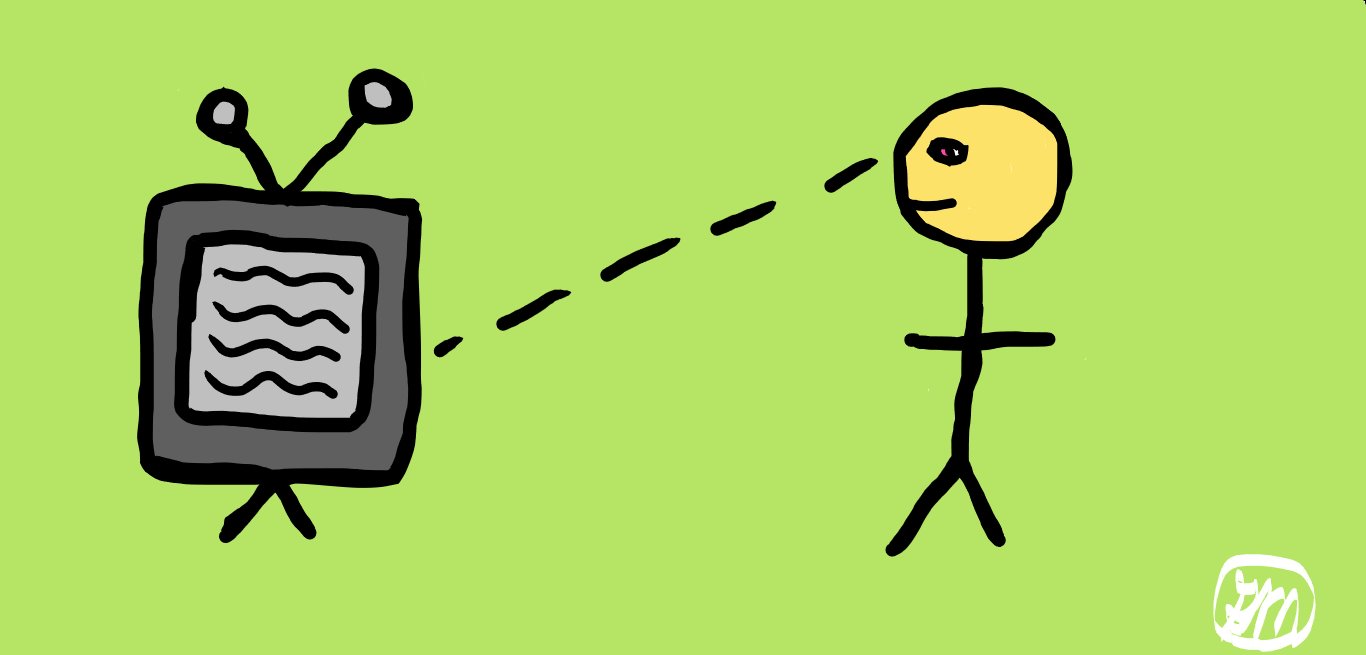
Media Literacy, this means how we can pick apart what we receive from the media. Scrolling through Social Media, reading the news online, or maybe an E-Textbook that you might have to read for a class are all apart of how well your media literacy works for you. Mostly Media Literacy is to help pick apart what you receive and be able to comprehend. Literacy is mostly associated with how well you can understand what you read.
Most of us tend to go on Auto-Piolet when we go onto Social Media. We scroll and scroll until we see an image that we really like or until we’re so bored that we end up refreshing the page. Those that end up doing that does not have a good Media Literacy. Those that actually go through the posts, pictures or just words only, and actually goes through the links that someone might post with their post like new articles.
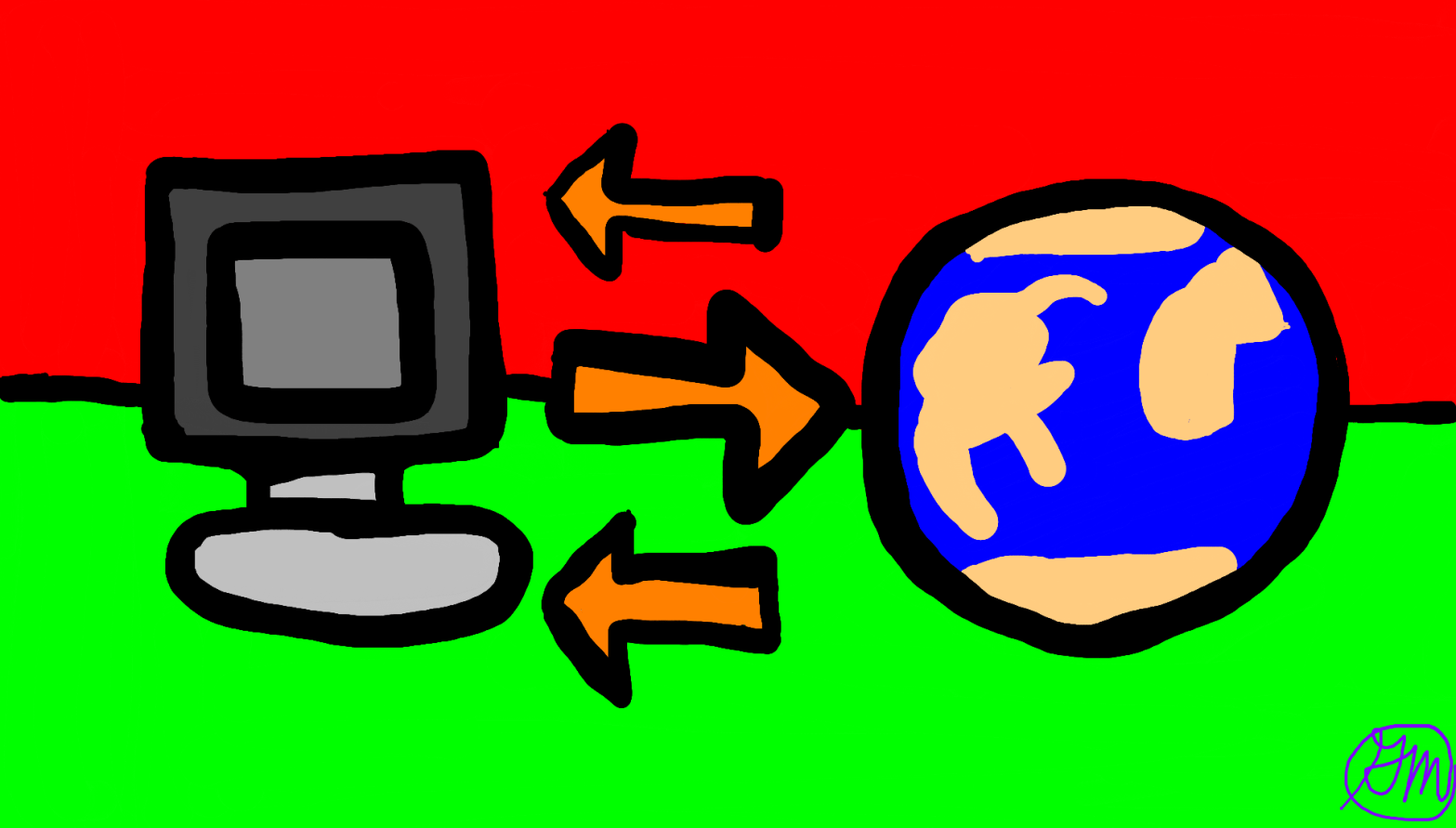
Media Literacy is something that, yes, sounds very unfamiliar. However, it is essential for all that really is going on in our daily lives. We are all attached to some sort of electric device like a phone, tablet, or computer. The reason I put the image that I drew (and yes, I am not a very good drawer I tried) is that we are constantly receiving info and sending out info as well. We receive more than we can ever send out. However, it is up to is on how we want to use that information. Depending on the person they could use information for good or bad, which is why I have the green and red. Depending on the information that we recieve, it is also harder to figure out what is fact and what is fiction.
According to W. James Potter’s “Media Literacy”, there are some ways to figure out what is fact and what is social information. “Factual information is raw, unprocessed, and context free; facts are discrete bits of information, such as names (of people, places, characters, etc. ), data, titles, definition of terms, formula, lists, and the like. Social information is composed of lessons that we infer from observing social interactions both in real life as well as media messages; these are guidelines that we learn about how to dress, talk, and act in order for other people in society to consider is attractive, smart, athketic, hip, and so forth” (Potter, page 23). The reason I put this point in particular is because I fell like this is really important nowadays. We get information from the media and also social media. News articles will pop up everywhere depending on where you are. Thing is, most news outlets have become very opinionated to the point where no one knows what is right and what is wrong anymore. Media Literacy is all about knowing how to not scroll past and to look at what you have come across, determine whether or not what you are looking at is true, it will help to start less drama and to help you become better with reading the media.
This class is not too bad for me. I am not sure about when to do this but I’m doing it now because why not. I still have yet to read the chapter (I accidentally brought the wrong book to my friend’s room) but I am still excited for what this class has to offer.
This is an example post, originally published as part of Blogging University. Enroll in one of our ten programs, and start your blog right.
You’re going to publish a post today. Don’t worry about how your blog looks. Don’t worry if you haven’t given it a name yet, or you’re feeling overwhelmed. Just click the “New Post” button, and tell us why you’re here.
Why do this?
The post can be short or long, a personal intro to your life or a bloggy mission statement, a manifesto for the future or a simple outline of your the types of things you hope to publish.
To help you get started, here are a few questions:
You’re not locked into any of this; one of the wonderful things about blogs is how they constantly evolve as we learn, grow, and interact with one another — but it’s good to know where and why you started, and articulating your goals may just give you a few other post ideas.
Can’t think how to get started? Just write the first thing that pops into your head. Anne Lamott, author of a book on writing we love, says that you need to give yourself permission to write a “crappy first draft”. Anne makes a great point — just start writing, and worry about editing it later.
When you’re ready to publish, give your post three to five tags that describe your blog’s focus — writing, photography, fiction, parenting, food, cars, movies, sports, whatever. These tags will help others who care about your topics find you in the Reader. Make sure one of the tags is “zerotohero,” so other new bloggers can find you, too.

 Geneva's Blog